Introduction
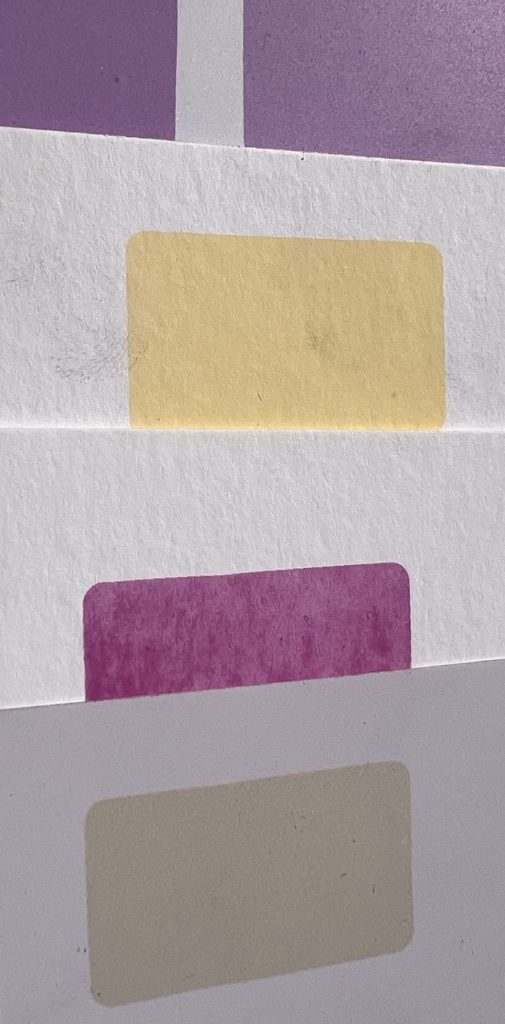
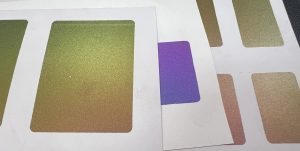
Daylight-change ink (sunlight-changing ink, photochromic ink, UV-photosensitive ink) is colorless or light in shade indoors or in the dark, develops color quickly under sunlight or UV, and slowly returns to its original shade when the light source is removed. The vivid, novel color change combines anti-counterfeiting, decoration and fun, with a wide range of applications.
Features
- No equipment needed — develops color within seconds in sunlight
- Vivid and novel effect that attracts consumer attention
- Custom colors available
- Repeated color change with stable performance
Processes
Compatible with screen, gravure, flexo, pad and spray printing.
Applications
- Security hang tags and labels
- Cosmetics and daily chemical packaging
- Tickets, souvenirs and cultural products
Customization & Printed Proofs
Color and developing speed customizable. Free printed proofs. Tel: 13510998453.
Frequently Asked Questions
Selection, detection, printing and ordering — answered.
Does photochromic (daylight-change) ink react to indoor lighting?
It mainly develops color under sunlight or UV; under weak indoor light the change is minimal or absent, and it fades back once the light source is removed. A UV-sensitized formulation can be chosen if indoor triggering is required.
Can the color change repeat many times? Does it fade out?
It reverses repeatedly, but photochromic materials fatigue: after prolonged repeated exposure the color-change amplitude gradually weakens. It is best suited to applications with a defined lifecycle (hang tags, event tickets, packaging) rather than long-term outdoor signage.
How do I choose between photochromic and thermochromic ink?
The trigger differs: photochromic reacts to light (UV), thermochromic to temperature. Choose photochromic for "changes in sunlight" interactive effects, and thermochromic for "changes when touched" or cold-chain indication. They can be overprinted for multi-layer security.
Which processes and typical applications?
Mainly screen and offset printing, on hang tags, cosmetic and food packaging, event tickets, gifts and creative products, and interactive brand marketing materials.
What should we watch out for when printing?
Avoid prolonged direct strong light on the ink and on work in progress, and keep drying/curing temperatures moderate so the color-change performance is not triggered or damaged early. Run a small trial to confirm speed and color difference. Free printed proofs are available.