Ink Environmental Trends: Water-Based Inks as a New Choice for Packaging Printing
Home › News › Ink Environmental Trends: Water-Based Inks as a New Choice for Packaging Printing
2026-08-02 published · updated
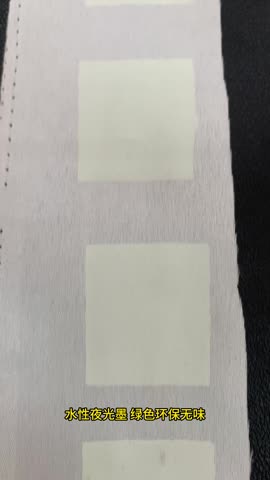
SJH water-based eco ink: water-base formulation, low odor, green and compliant with eco-ink trends.
As environmental regulations tighten, water-based eco-inks are gaining wider adoption in packaging printing. Using water as the solvent, they offer low VOC emissions and low odor, meeting EN71.3 and REACH standards — ideal for food packaging, toys and children’s products with high safety requirements. SJH Ink has long focused on water-based eco-ink R&D, now covering paper, fabric and plastic substrates with custom solutions.
Frequently Asked Questions
Selection, detection, printing and ordering — answered.
Why is water-based ink becoming standard in packaging printing?
Because environmental regulation is tightening. Water-based ink uses water as the carrier, with low VOC emissions and little odour, and meets EU standards such as EN71.3 and REACH. That makes it especially suitable for food packaging, toys and childrens products where safety requirements are strict.
Which compliance standards does water-based ink meet?
EN71.3 and REACH among others, with low VOC emissions and low odour, suitable for food packaging and childrens products with high safety requirements.
Which substrates can water-based ink print on?
A full product line covers paper, textiles and plastics, with customised solutions matched to the customers substrate.
Does switching to water-based ink require press changes?
Water-based and solvent-based systems do differ in drying behaviour and equipment matching, and the answer depends on your existing press and process. The practical route is to request printed proofs, run them on your press and confirm levelling, drying and adhesion before deciding how far to switch.